


Few desserts spark as much passionate debate as baklava. Whether you've enjoyed it at a Greek wedding or a Turkish restaurant, you've probably wondered: is baklava Turkish or Greek? The answer is more layered than a sheet of filo dough — and understanding the history behind this beloved sweet reveals just how deeply it's woven into the fabric of multiple cultures across centuries.
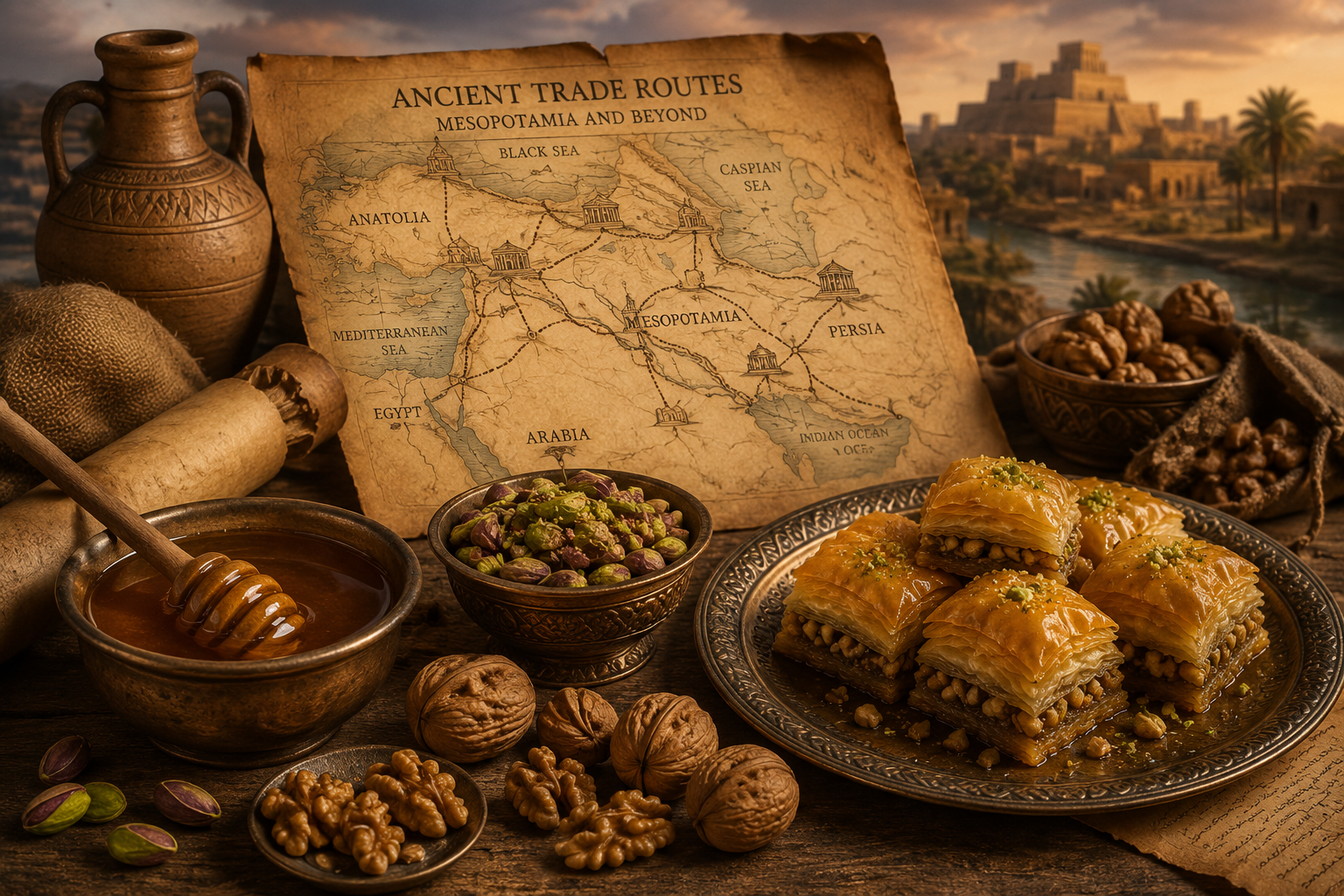
Baklava's story begins long before modern national borders existed. Food historians trace early versions of layered, nut-filled pastries to the kitchens of ancient Mesopotamia and Central Asia, where nomadic Turkic peoples prepared simple stacked breads sweetened with honey and nuts during long travels.
Over time, these early recipes evolved and spread across trade routes into the Middle East, the Caucasus, and the eastern Mediterranean — carried by empires, merchants, and migrations. The dessert we recognize today began taking its refined shape much later, inside one of history's most influential culinary institutions.
Buckle up for the mouth-watering food trip through Buffalo as you dive into our distinctive Turkish culinary scene. Let us start from sizzling kebabs to melting mezes and crescendos of sweet desserts in the end. We will take you on a virtual tour of top Turkish restaurants in the city and share their stories, peculiarities, and cultural inspirations.


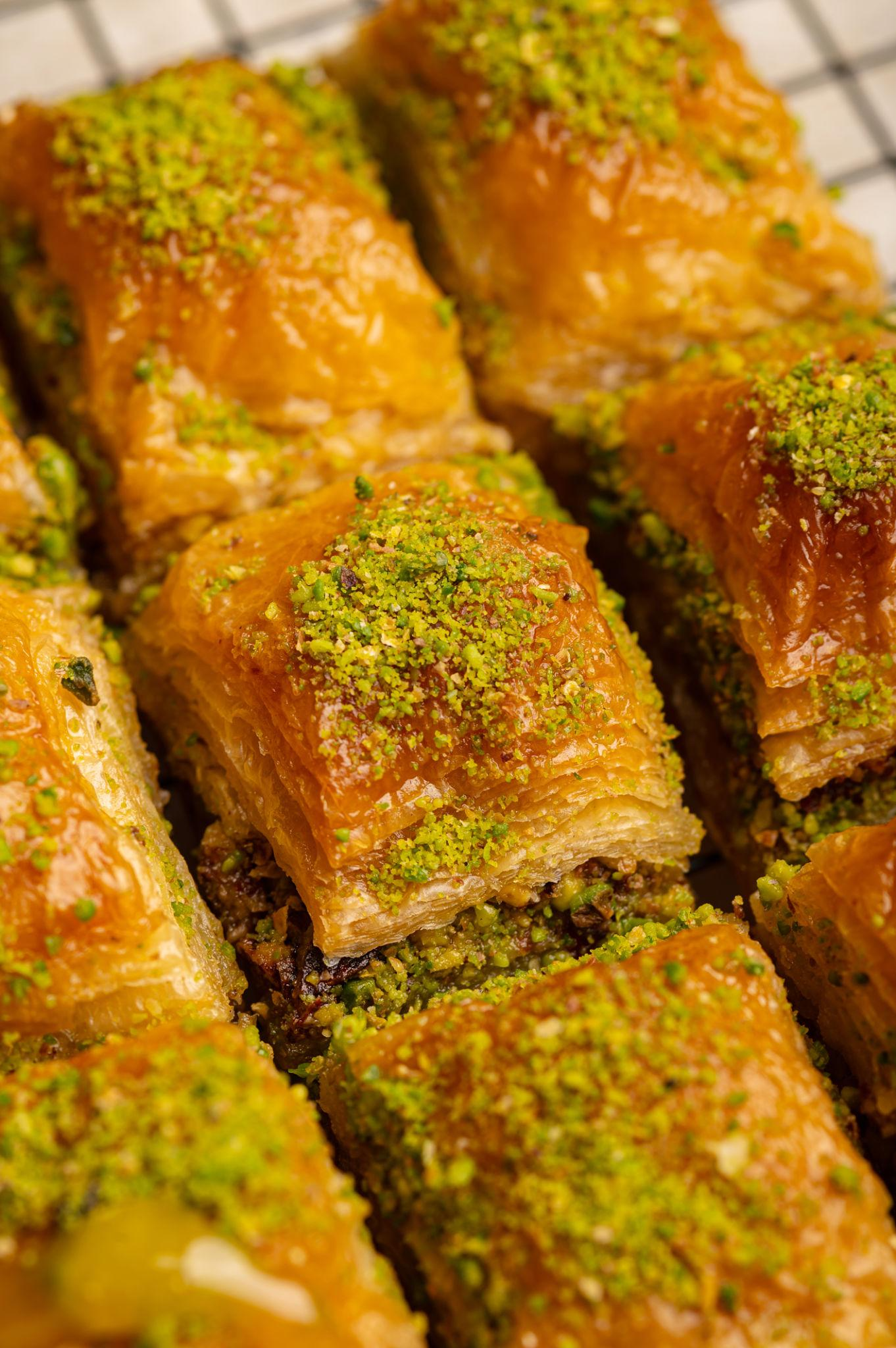
The defining chapter in baklava's history belongs to the Ottoman Empire. The imperial kitchens of Topkapi Palace in Istanbul — home to hundreds of dedicated cooks — are widely credited with perfecting baklava into its modern form: thin, delicate layers of filo pastry, filled with pistachios or walnuts, soaked in syrup or honey.
By the 15th and 16th centuries, baklava Turkish recipes had become a celebrated staple of Ottoman imperial cuisine. The dessert was so prized that sultans sent trays of it to Janissary soldiers in an annual ceremony called the Baklava Alayı — a procession that underscored just how culturally significant it had become.
As the Ottoman Empire expanded across southeastern Europe, North Africa, and the Middle East, baklava spread with it — which is precisely why so many cultures claim it today.
One of the main things that gives the Turkish cuisine its charm is how it is about sharing food and communal dining. Meze, a variety of light appetizers that are consumed as openers, is the personification of Turkish cuisine. One could taste tangy yogurt dips and smoky eggplant spreads in a single sitting, all delicious variations of flavor that demand to be enjoyed together, unleashing a feeling of togetherness and community.
And no one can ever ignore the kababs-the superstars of Turkish cuisine! Such delicacies of juicy meat, marinated in a melody of spices and herbs, represent an epicurean gourmet. Whether the kebabs in question include tasty and succulent lamb, lightly tender chicken, or juicy beef, these flavors are pretty much a blessing to the tongue and a temptation to the appetite.
Now, get yourself prepared because the main course of any Turkish meal-the dessert-is the final drama. Turkish sweets bring us on an emotional journey of the senses; they are the perfect and undeniable end to a savory meal. However, not only are these delicacies prepared uniquely, but also they never disappoint. From delicate pastries like baklava and kunafeh to creamy rice puddings and syrup-soaked semolina cakes with every bite, it is a moment of pure enjoyment and bliss.

This is where the debate gets interesting. Greece was part of the Ottoman Empire for several centuries, and during that time, baklava became deeply embedded in Greek culinary culture as well. Greek baklava typically uses honey as the sweetener and often incorporates walnuts and a hint of cinnamon — variations that developed over generations of local tradition.When people ask is baklava greek or turkish, the honest answer is: it belongs to both, and to many others. The same dessert, with regional variations, is also claimed by Armenians, Arabs, Iranians, Lebanese, and Azerbaijanis — all with legitimate historical ties to the recipe.Rather than a dispute about ownership, baklava's story is really one of shared culinary heritage across a vast, historically interconnected region.
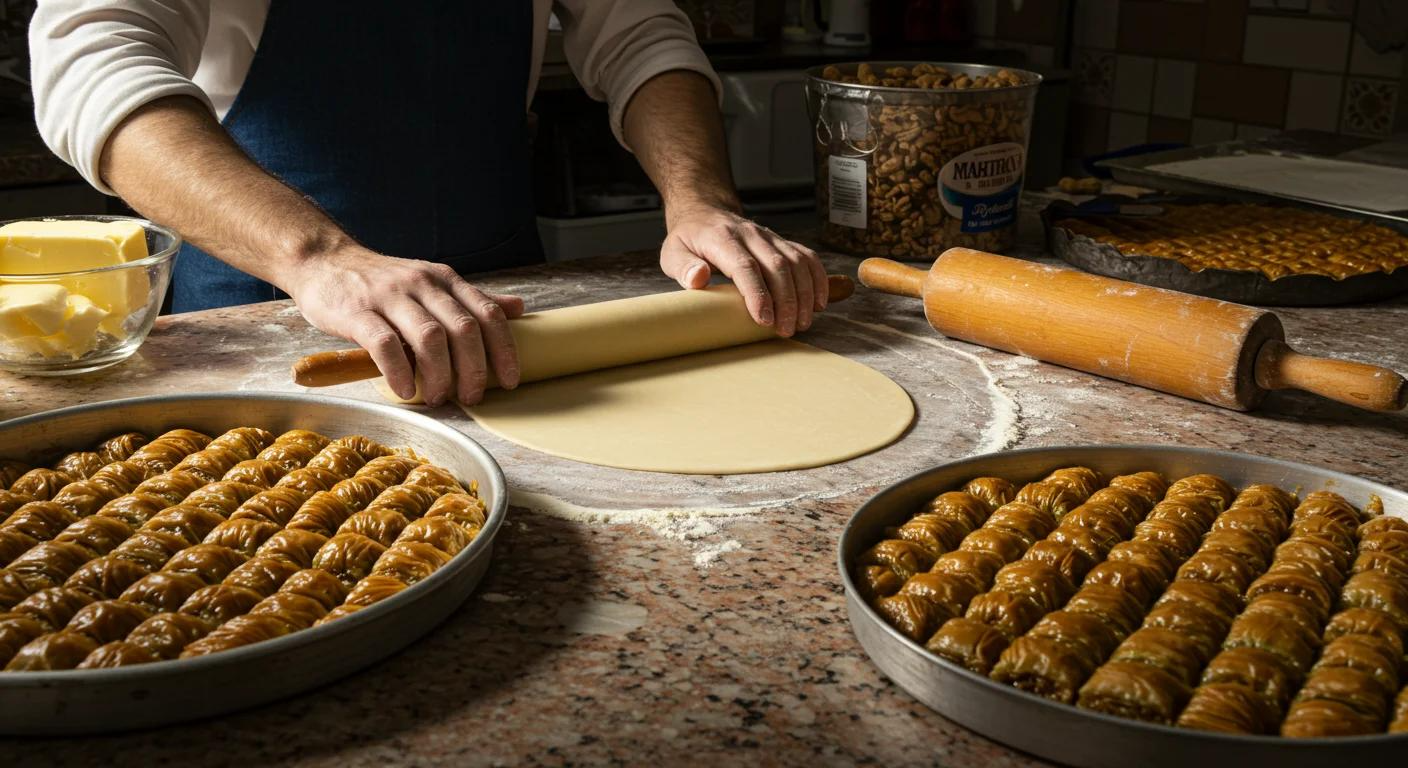

While the debate over origins may never be fully settled, the regional variations are real and distinct:
| Turkish Baklava | Greek Baklava | |
|---|---|---|
| Sweetener | Sugar syrup | Honey |
| Nuts | Pistachios (especially Antep) | Walnuts |
| Spices | Minimal | Cinnamon and cloves |
| Texture | Lighter, crispier | Slightly denser, stickier |
| Famous variety | Antep Baklavasi | Honey walnut baklava |

In 2013, Turkey applied for UNESCO intangible cultural heritage status for baklava turkish traditions, specifically the craftsmanship involved in making Gaziantep baklava. The European Commission had already granted Antep Baklavası protected geographical status in 2013 — recognizing it as a product uniquely tied to its region of origin.
This doesn't settle the broader cultural debate, but it does acknowledge the extraordinary depth of Turkish baklava-making as a culinary tradition worth preserving.
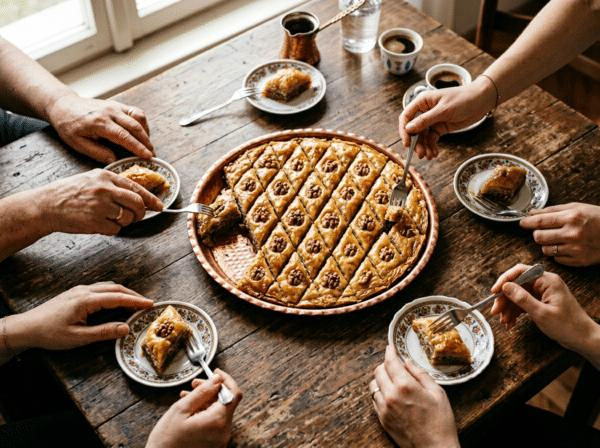

The passion surrounding baklava's origins reflects something meaningful: this is a dessert that genuinely matters to people. It appears at celebrations, religious holidays, and family gatherings across dozens of cultures. Greeks serve it at Easter. Turks gift it during Eid. Lebanese families prepare it for weddings.
No single country invented baklava in isolation. It grew through centuries of exchange, conquest, trade, and shared kitchens — which is exactly what makes it so universally beloved.

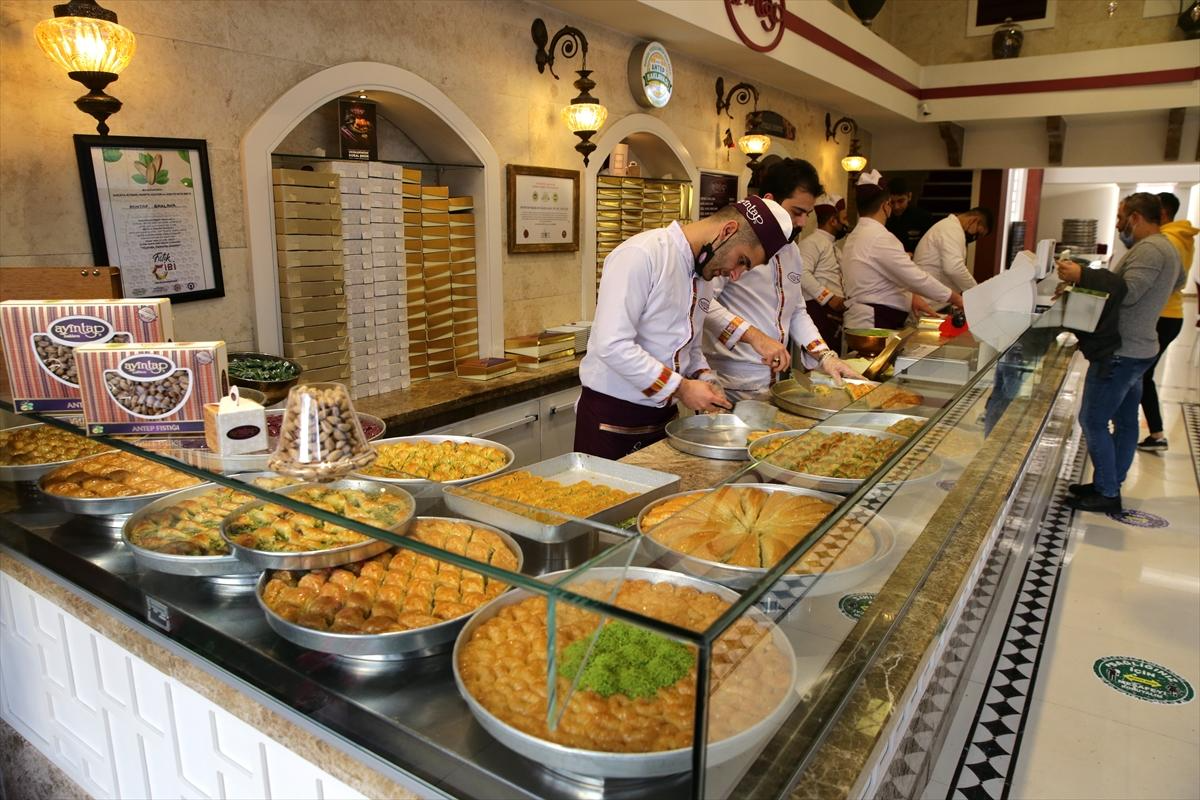
If you want to taste baklava the way it's made in Turkey — light, crisp filo, rich pistachio filling, and a perfectly balanced syrup — Sofra Restaurant and Bakery in Buffalo, NY brings that tradition directly to your table. As a family-owned Turkish restaurant committed to authentic recipes and fresh ingredients, Sofra's dessert display is a destination in itself, with baklava made the way it's been made for centuries.
Whether you're a longtime fan of Turkish cuisine or exploring it for the first time, there's no better way to settle the baklava debate than tasting the real thing.
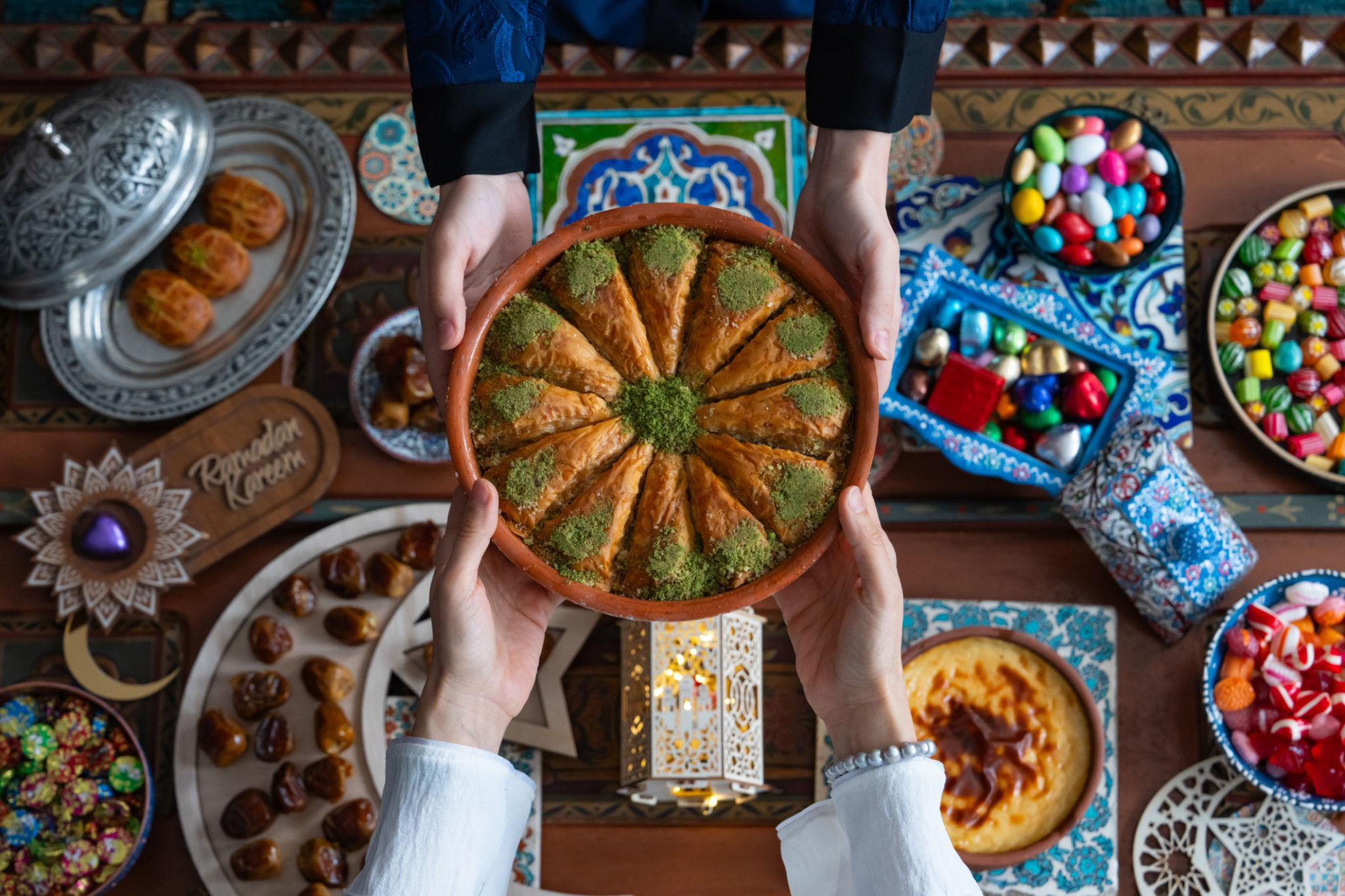
So, is baklava Turkish? Yes — and it's also Greek, Lebanese, Armenian, and more. The dessert's origins are Ottoman, its roots are ancient, and its many regional variations are a testament to centuries of shared culinary history across the Mediterranean and Middle East. What matters most, perhaps, is not who invented it — but how beautifully it has been preserved, adapted, and celebrated by so many cultures to this day.